Restoring Siesta Key Chapel’s Maritime Hammock
A community stewardship initiative at Siesta Key Chapel
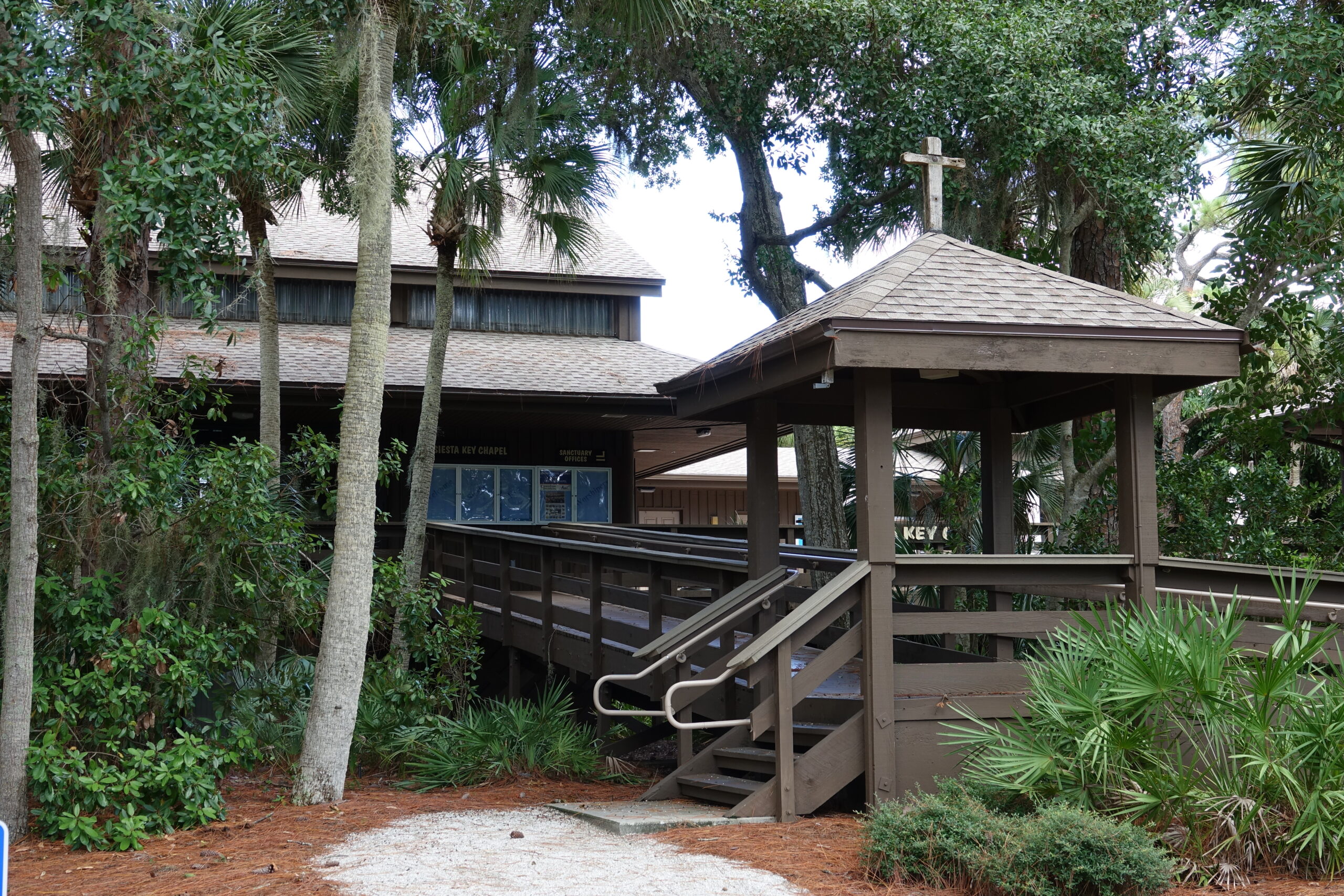
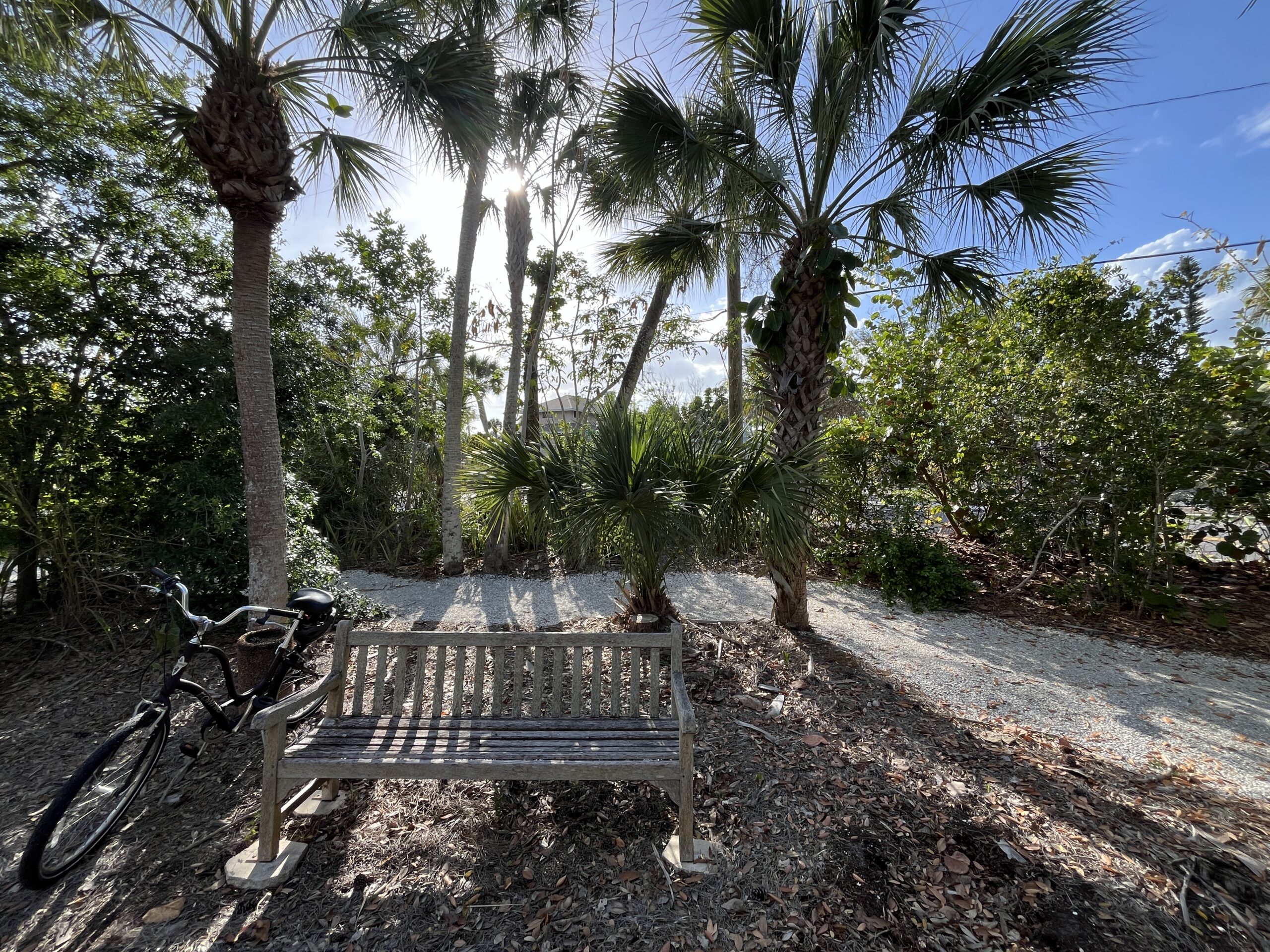
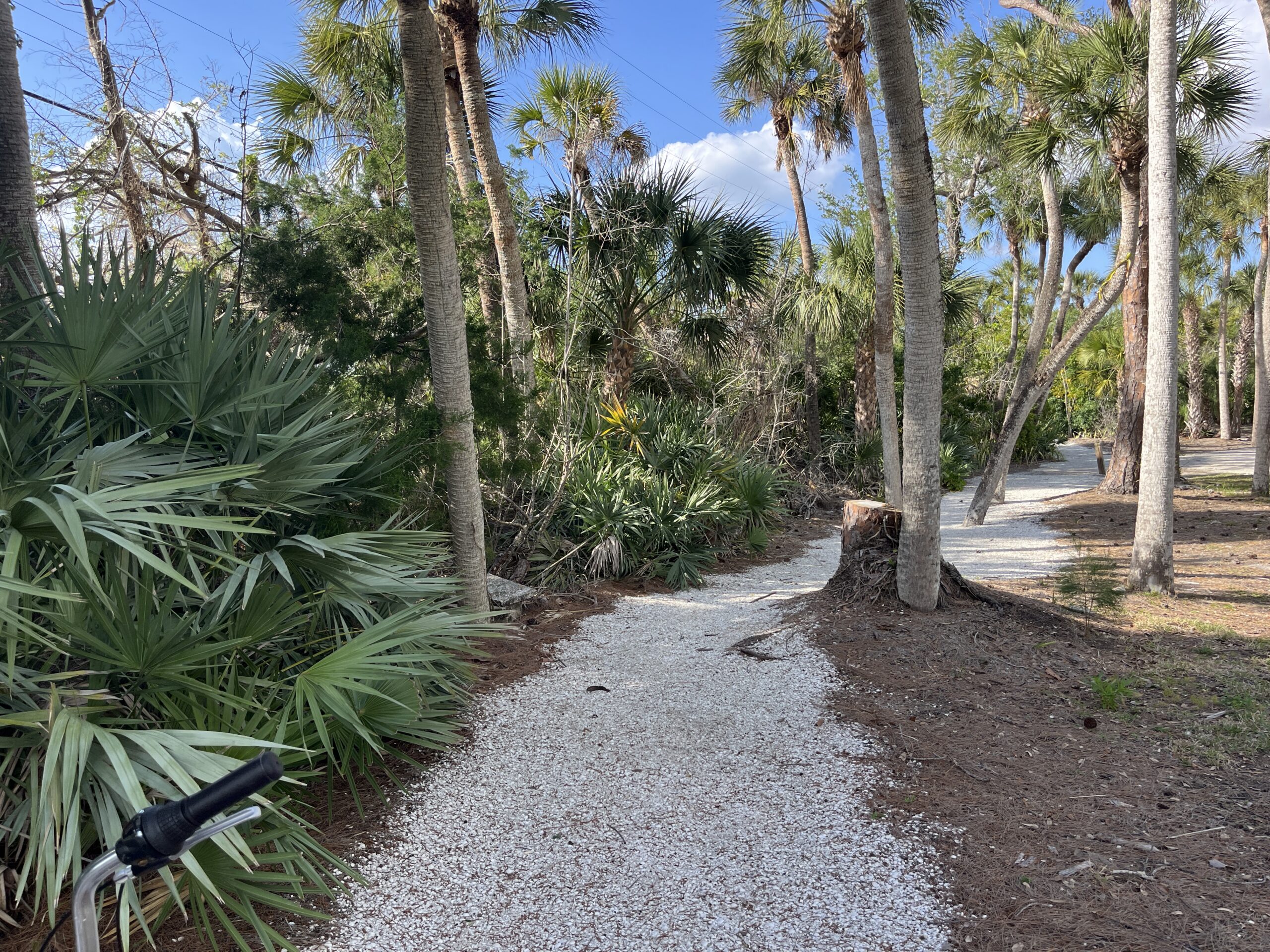
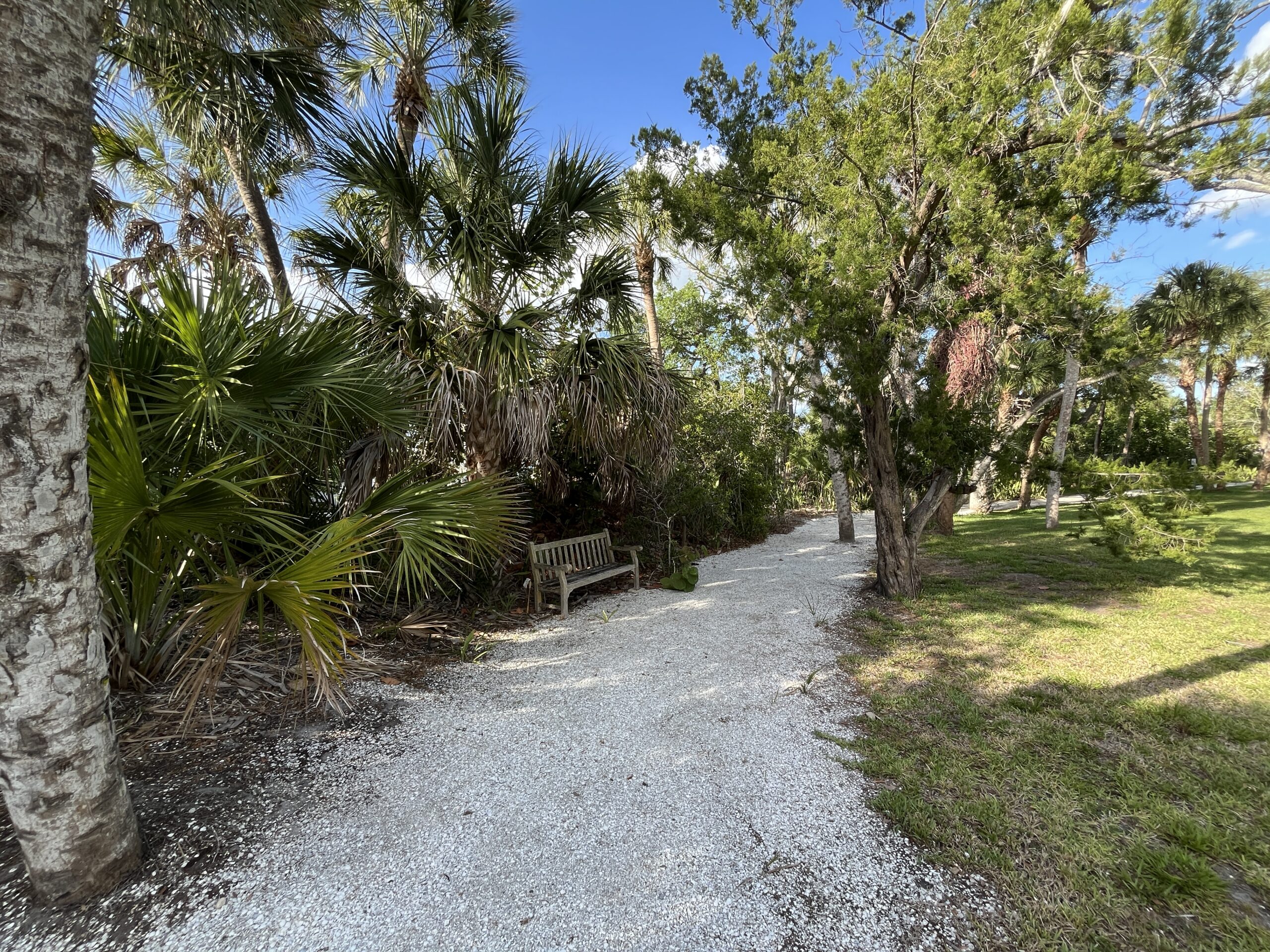
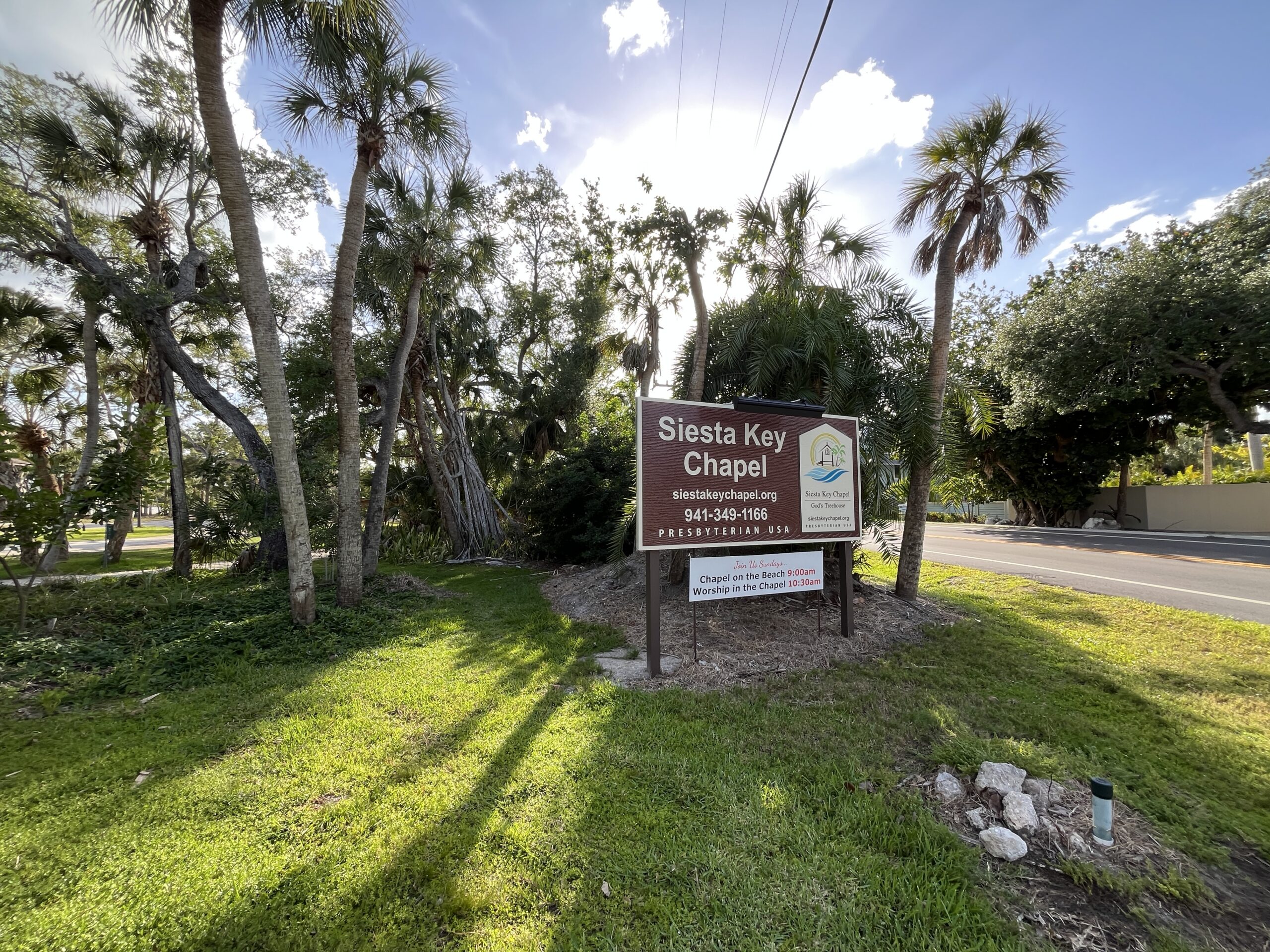
Siesta Key Chapel sits within a distinctive upland maritime hammock shaped by live oaks, sabal palms, slash pines, native understory plants, and the wildlife they support. The property was significantly affected by Hurricanes Helene and Milton.
Today, the Chapel is undertaking a long-term effort to restore and care for this special part of Siesta Key through ecological restoration and community stewardship.
Our aim is simple: restore a healthy native hammock and build a community that will help care for it for years to come.
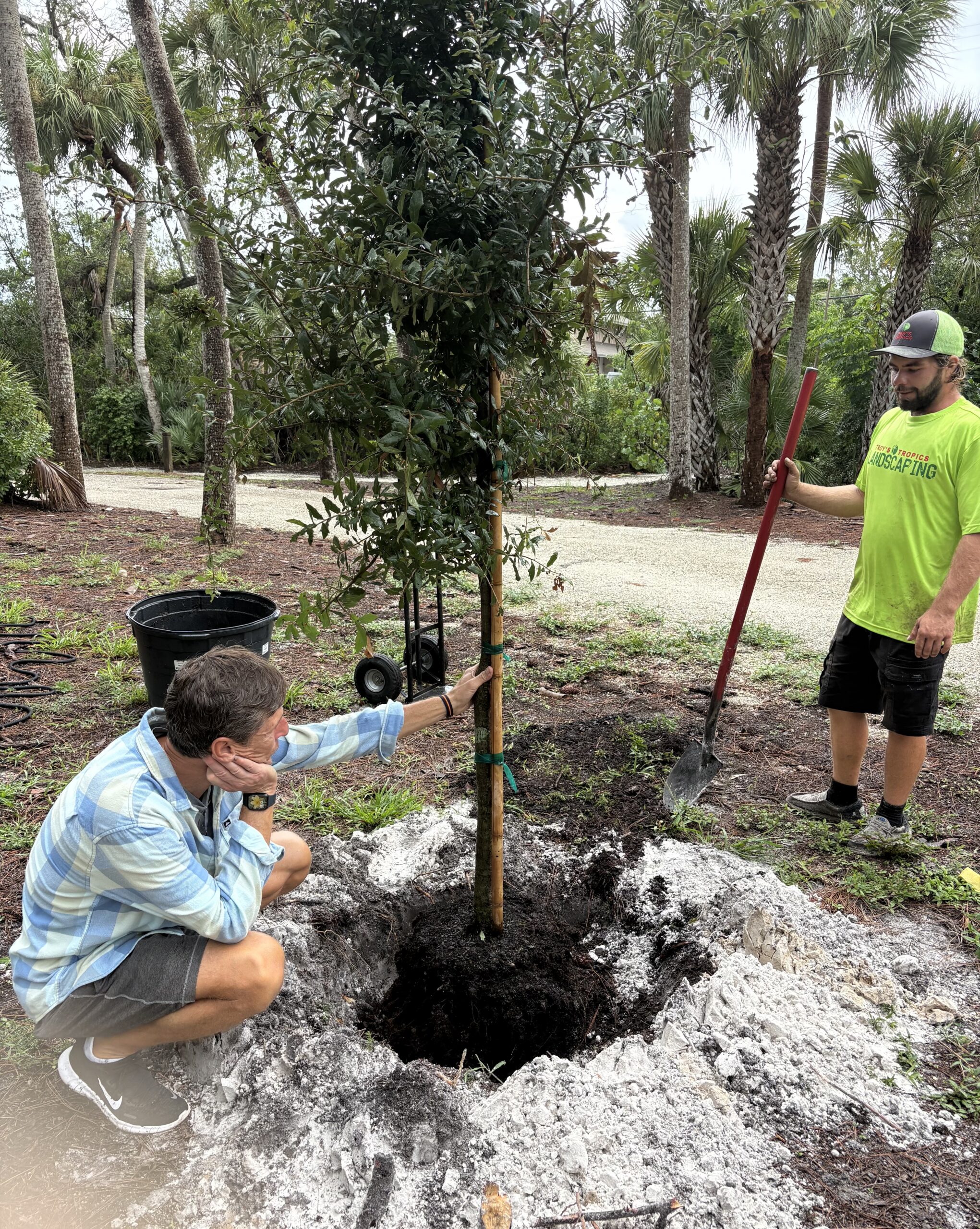
Restoration in Action
Putting the Sarasota Bay Partners Grant to Work
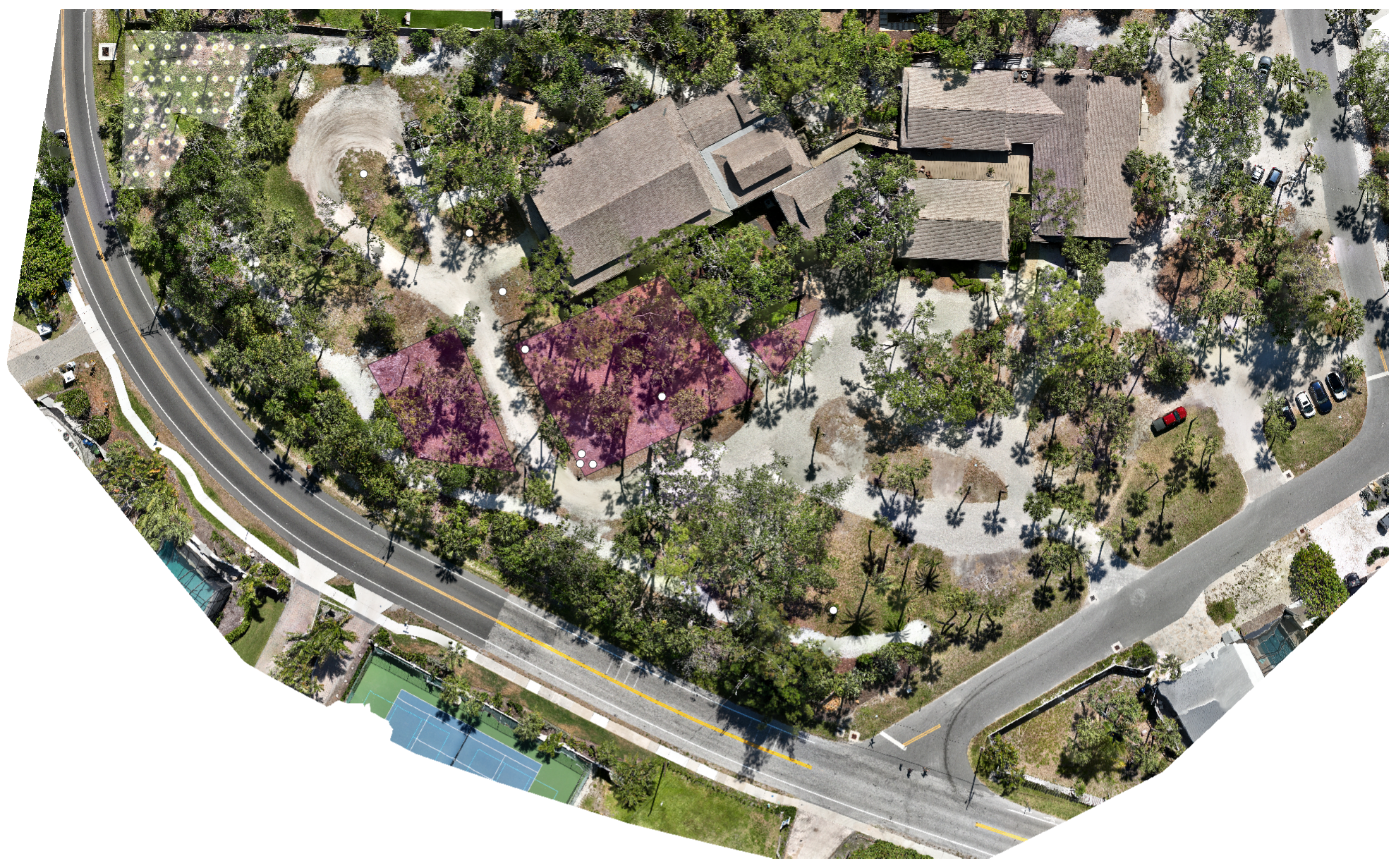
In 2026, Siesta Key Chapel received a $9,168.21 Sarasota Bay Partners Grant from the Sarasota Bay Estuary Program for the Siesta Key Chapel Upland Hammock Restoration project.
The grant supports native habitat restoration, wildlife habitat, community participation, and education about native vegetation.
Through the end of 2026, our focus includes:
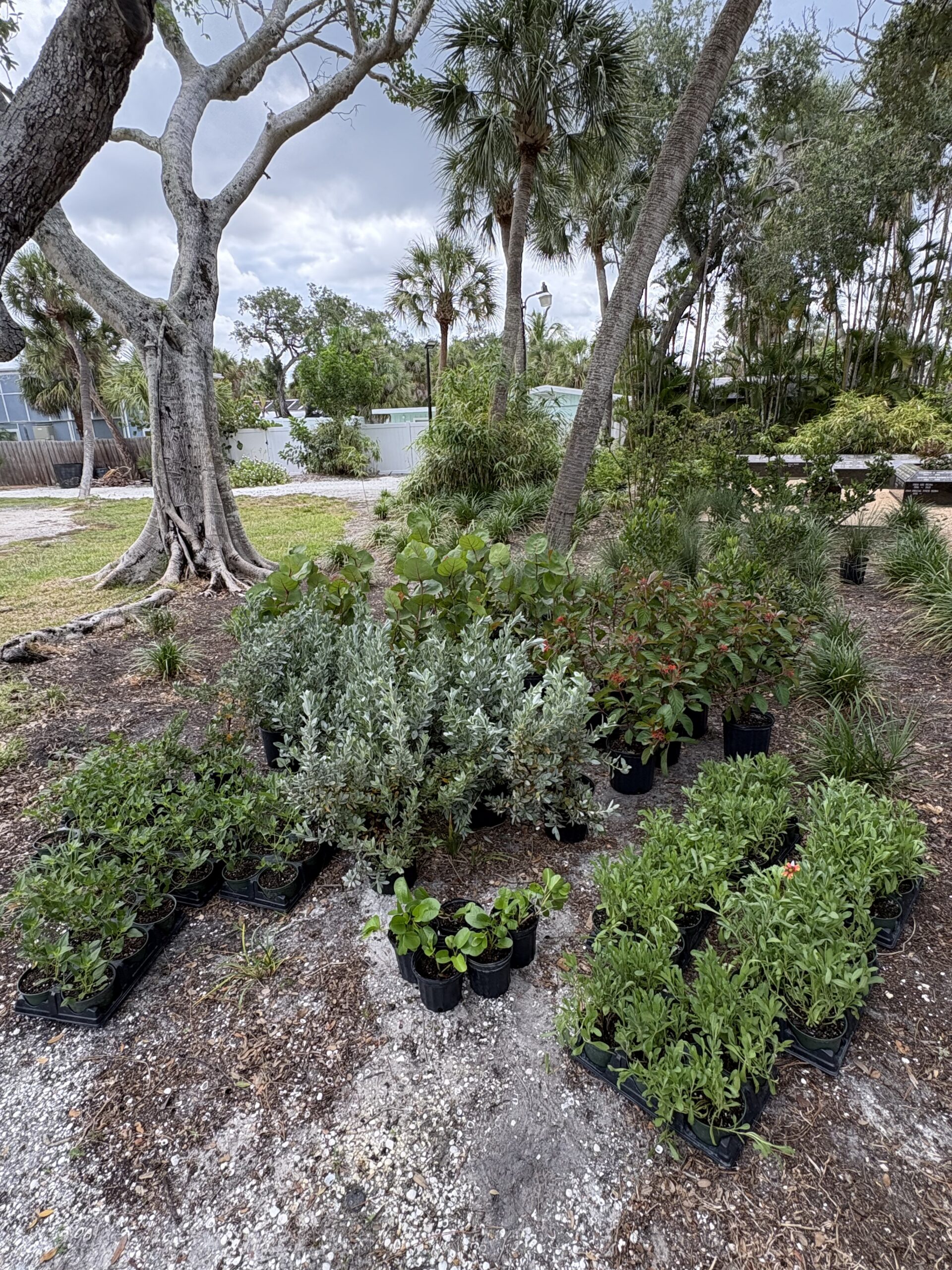
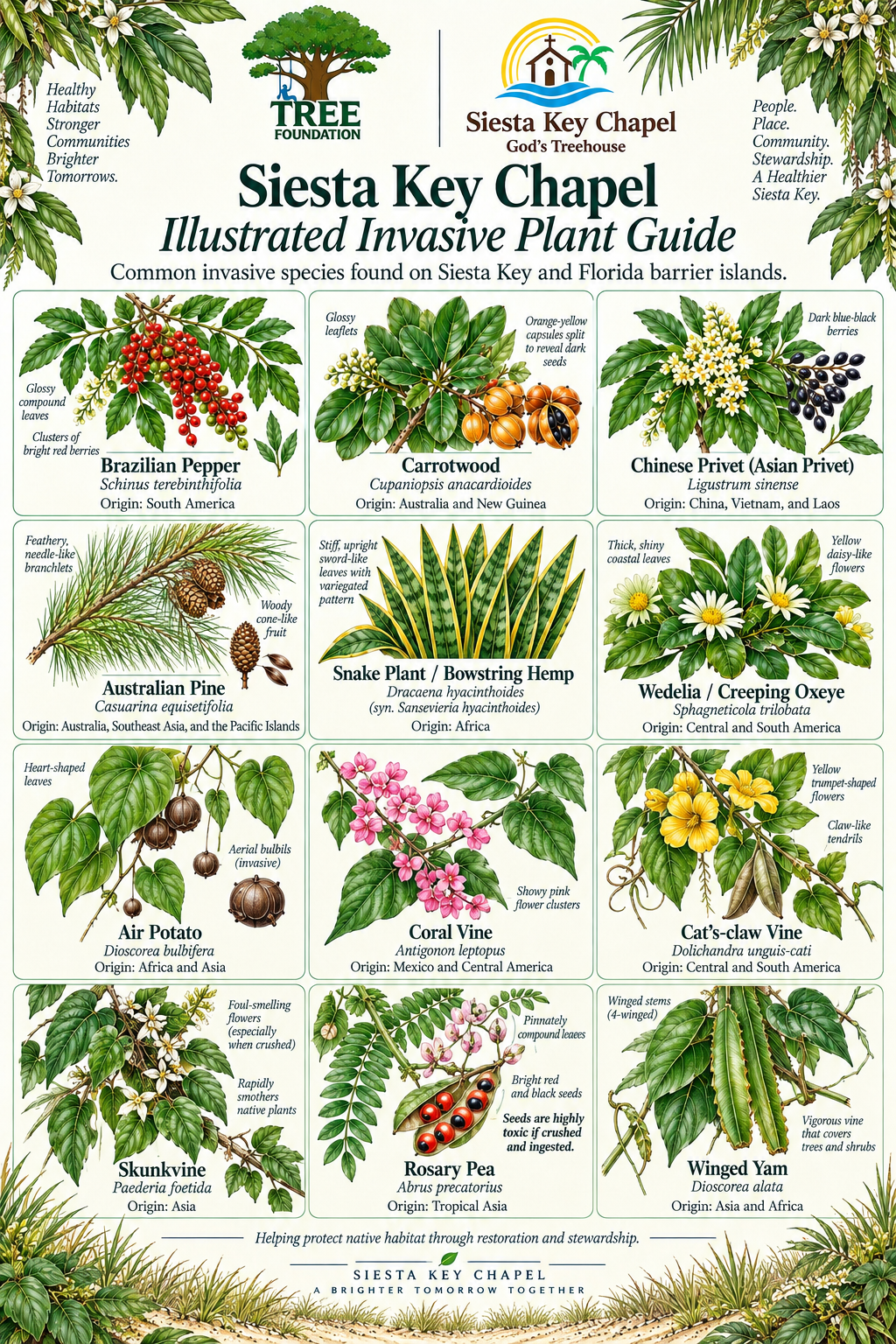
- Removing invasive vegetation carefully and incrementally
- Reestablishing native understory and groundcover species
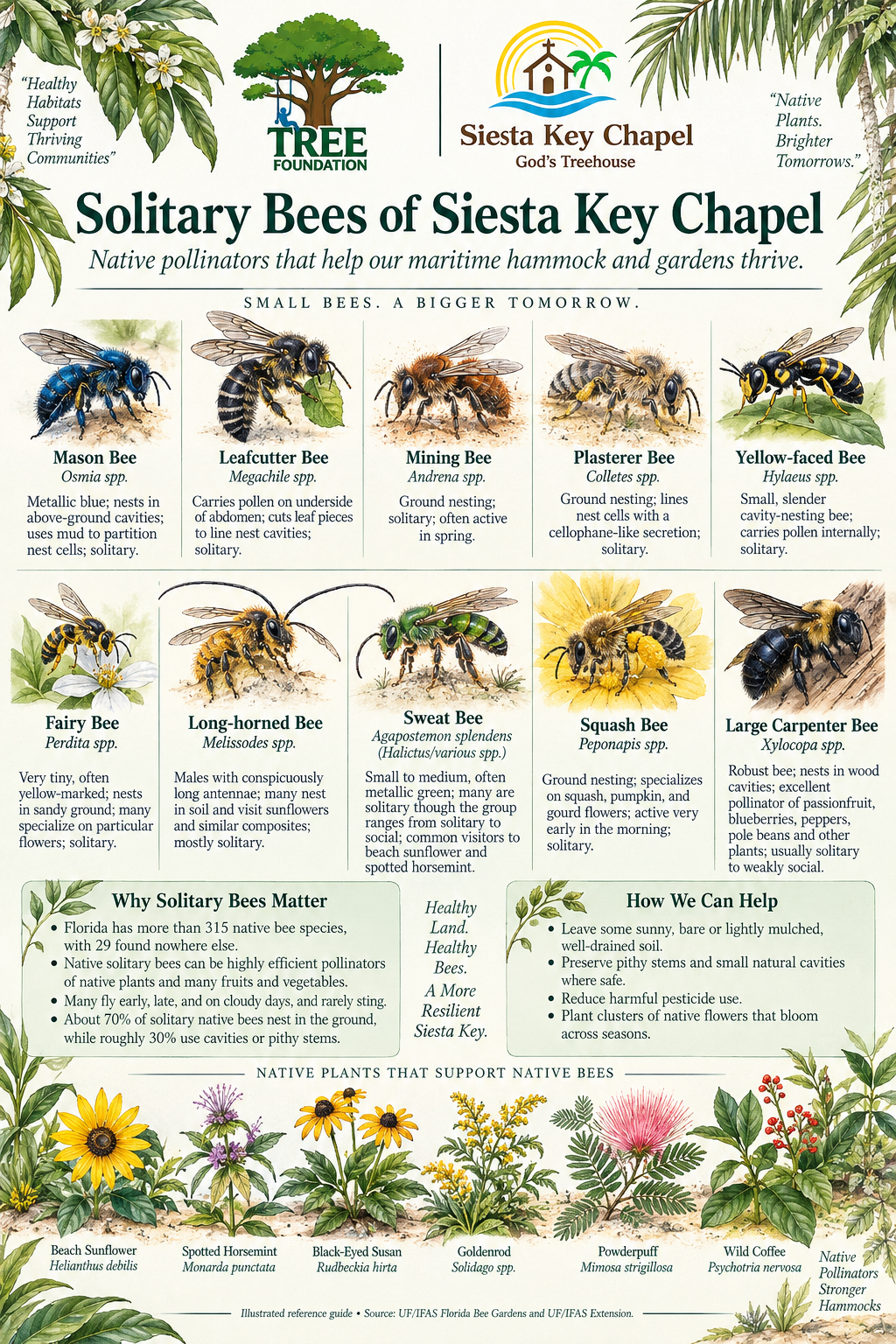
- Enhancing habitat for native wildlife and pollinators
- Protecting and rebuilding disturbed soil
- Engaging volunteers through community planting days
- Developing educational and interpretive signage
- Establishing the foundation for long-term stewardship of the property
Restoration is intentionally gradual. Existing vegetation can provide shade, soil protection, and habitat while native species become established. We therefore remove invasive plants and rebuild native habitat in stages, watching how the site responds over time.

Community · Stewardship · Native Ecology
Community
This work belongs to more than a single organization or group. Chapel members, Siesta Key neighbors, volunteers, local organizations, and ecological partners all have a role to play. Restoration becomes more durable when people understand the place, participate in caring for it, and build relationships around that shared work.
Stewardship
Restoration is not a one-time landscaping project. It is a continuing responsibility to care for the land thoughtfully, use resources responsibly, learn from what happens, and make decisions that support the long-term health of the property.
Native Ecology
The goal is to restore the structure and diversity of the hammock itself: canopy, understory, groundcover, soil, pollinators, birds, and other wildlife interacting as a living system. Native plants are not simply decorative. They provide food, shelter, shade, soil stability, and habitat.
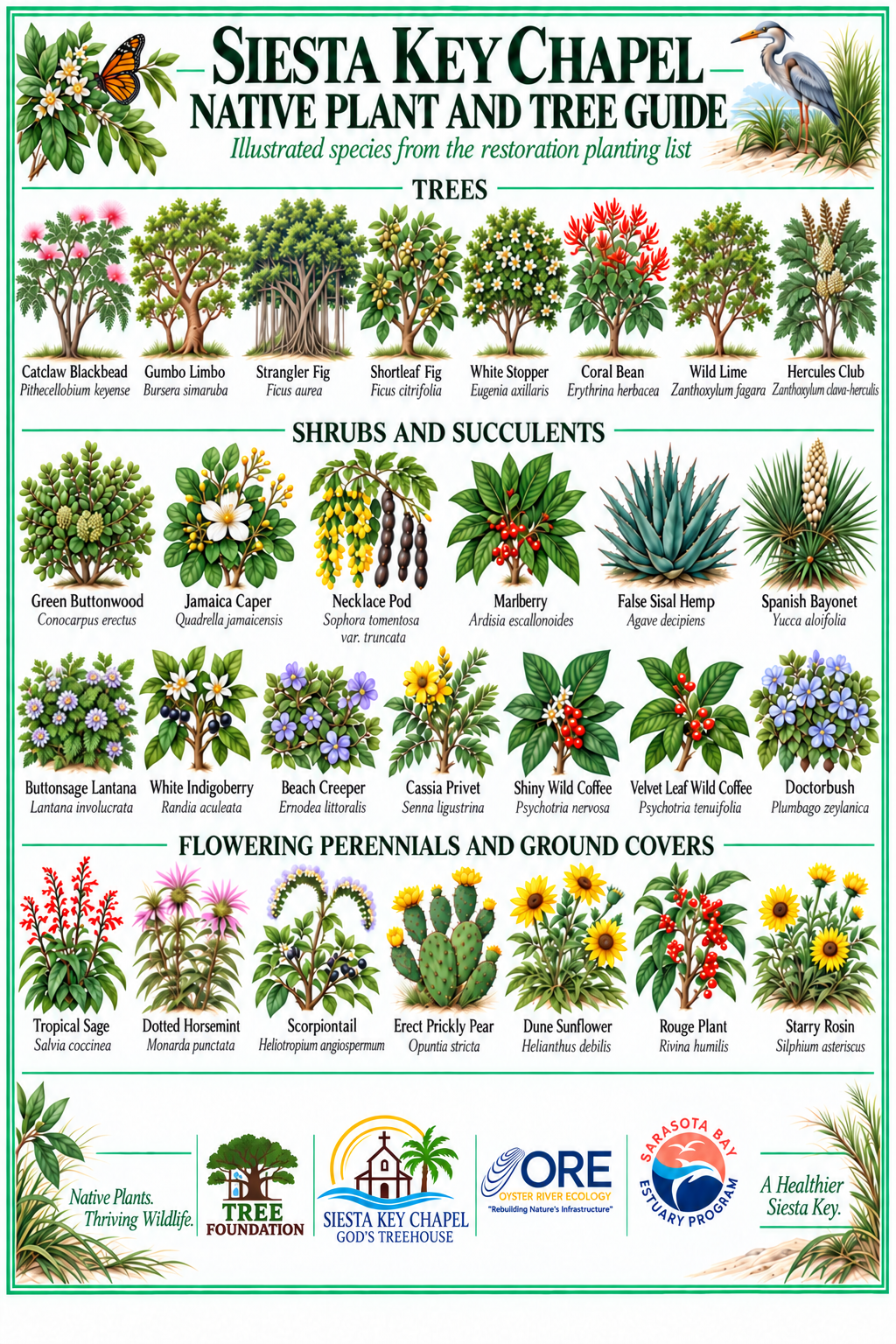
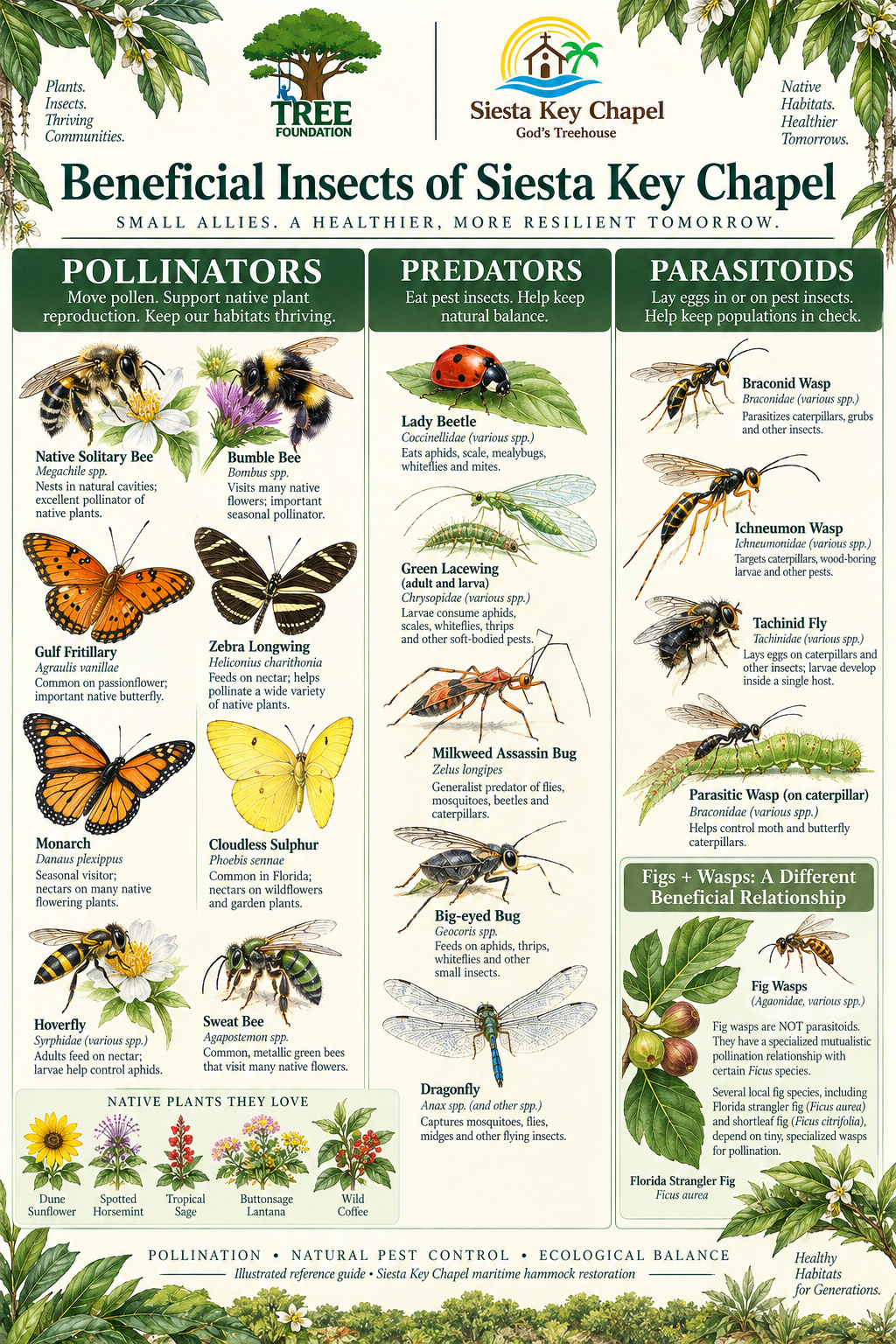
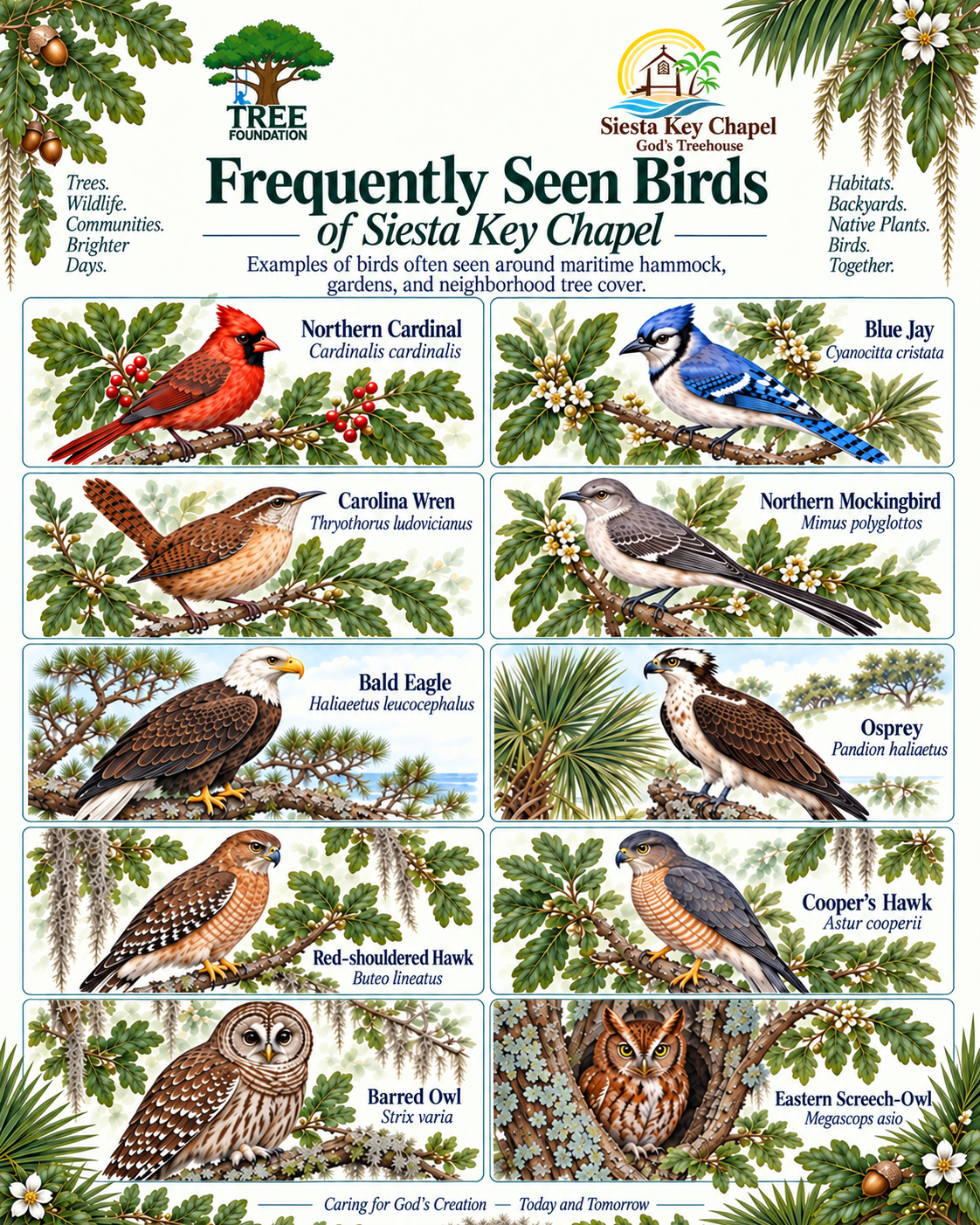
Explore the Hammock
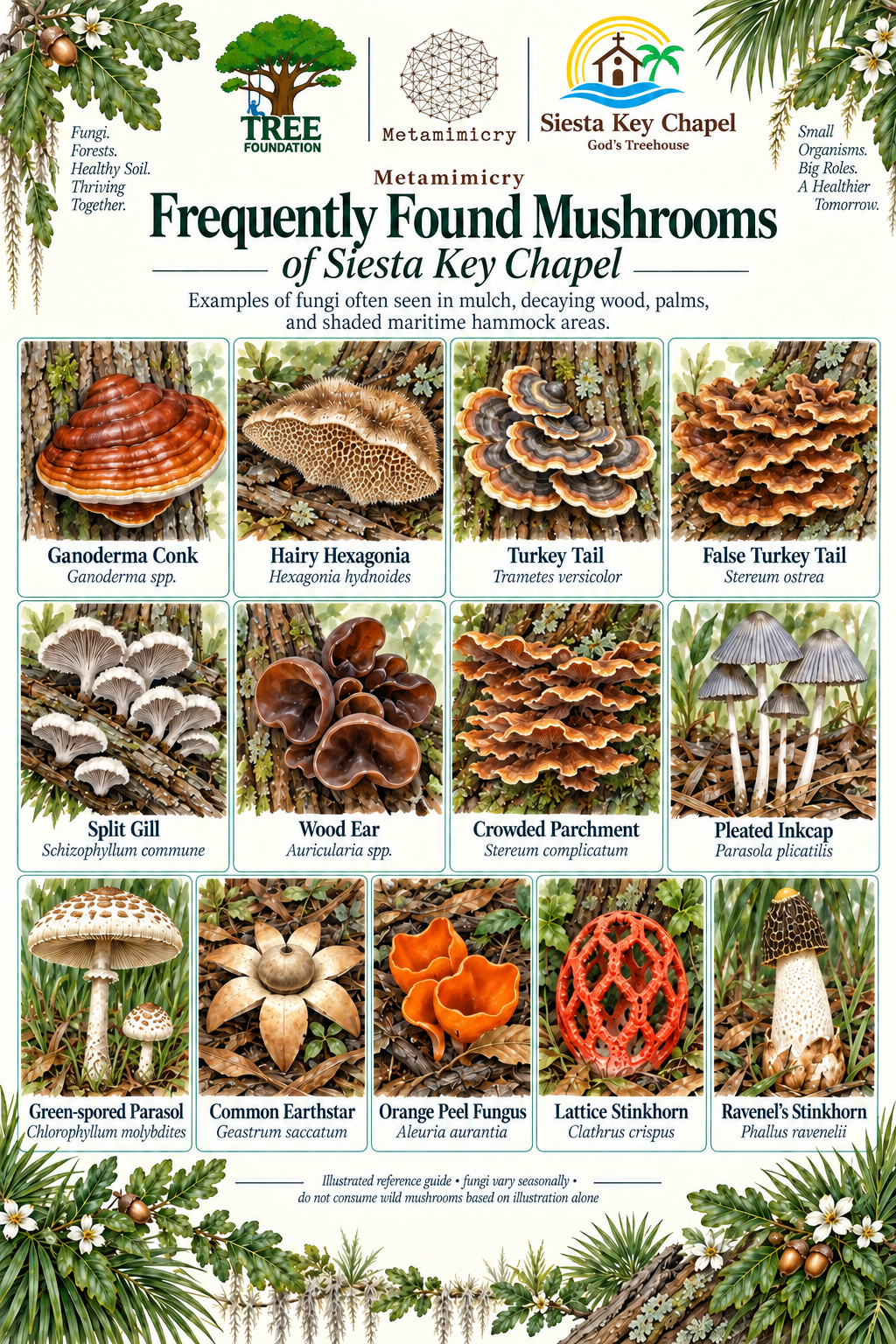
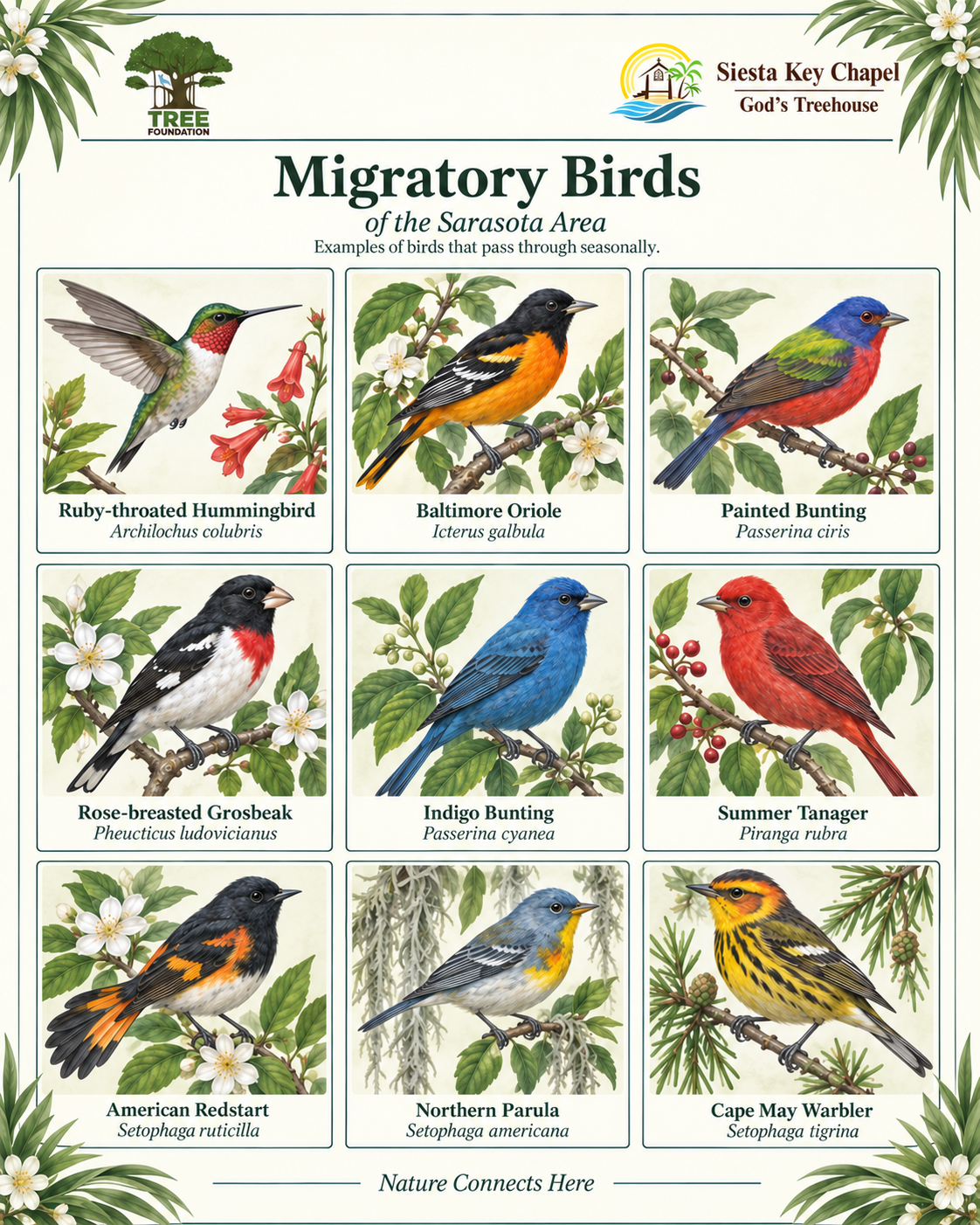
Get to know some of the plants, pollinators, beneficial insects, fungi, and invasive species that shape this living landscape.
Why This Place Matters
A Rare Piece of Siesta Key’s Natural Landscape
The Chapel’s approximately five-acre property includes an upland maritime hammock, a slightly elevated coastal ecosystem characterized by salt-tolerant vegetation and habitat for native wildlife.
As Siesta Key has developed over time, intact natural areas have become increasingly uncommon. The Chapel grounds therefore offer something unusual: a place where people can experience both the island’s ecological character and a landscape that has long been part of the identity of the Chapel itself.
The hammock also supports relationships that are easy to overlook. Native plants feed insects and pollinators. Those organisms support birds and other wildlife. Canopy and understory vegetation protect soil, moderate heat, and create habitat. Restoring the hammock means restoring these relationships, not simply planting individual trees and shrubs.
Get Involved
Help care for this special place.
Join Chapel members, neighbors, and community volunteers in planting, restoration, and long-term stewardship activities.
Community Partners

Questions?
Dan Moriarty
Ecological Restoration & Stewardship Manager
(415) 794-4895
dan@siestakeychapel.org